Level Up Your Resistance: Throw a Block Party
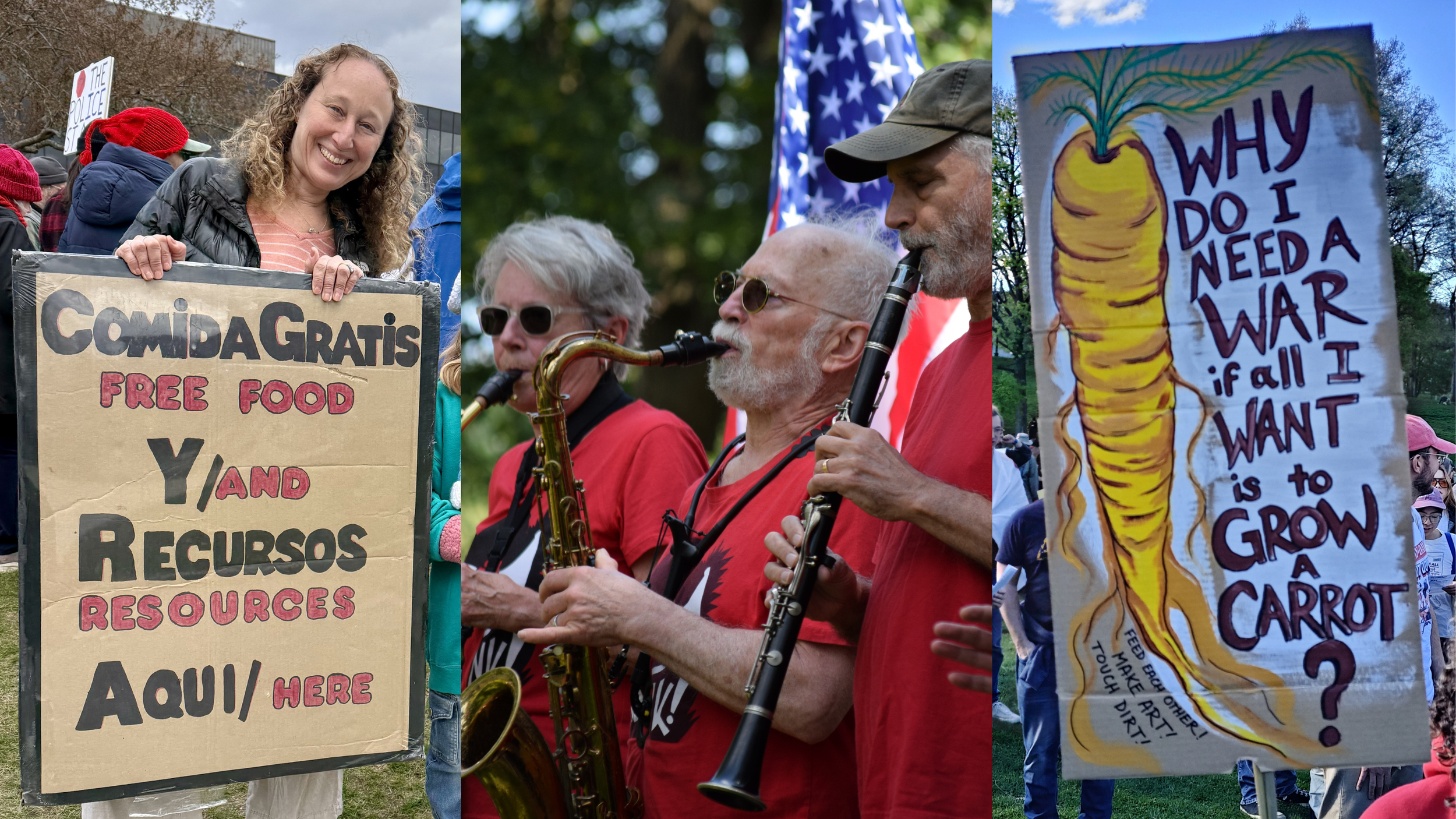
Block parties are a way to strengthen our communities, support each other, and have fun! Photos by Mass 50501 volunteers.
We know we need to take economic actions to fight back against the billionaires who bought our country, but how do we do that when most Americans live paycheck-to-paycheck? You’ve been to the protests, you’ve gone to the rallies, you’ve chanted and called your representatives… and written blogs, but have you met your neighbors?
When you need to be on the picket line, who’s watching your kids? When the roof starts leaking, but you were laid off four weeks ago and unemployment isn’t coming through, who can you call? When you’re sick with the flu and can’t make your own food, who can keep you fed so you can keep up your boycott of delivery services?
My point is simple: when shit gets real, you need your community.
Americans have retreated from many public meeting spots—churches, malls, even workplaces and grocery stores—as digital solutions become more prominent. The internet has been a game-changer to help people around the world find like-minded friends and compatriots. This change has been particularly impactful for those of us who have struggled to find “our place” in our communities, but we still need to know the people who are geographically around us.
Enter: the humble Block Party.
It might feel frivolous to gather your neighbors for the sole purpose of enjoying each other’s company when the world is crashing down around us. But beyond the oft-touted, little-accepted truth that joy is a necessary resistance against injustice, the connections we build through time spent together are what will carry us through the hard times. Don’t wait until you need childcare or a patched roof to start building connections with the people on your street. You need to start building trust with the people around you as early as you can—and, even if they don’t recognize it yet, your neighbors need that too. A block party has the power to bring together people who would otherwise pass each other by to start to form those necessary connections. Particularly in our steely New Englander culture where we’re encouraged to mind our own business, these connections won’t happen naturally if you don’t do the work of fostering them.
So, how do you actually do it?
The steps are going to vary based on where you are. As someone who lives in a low-traveled neighborhood in a sleepy town in the ‘burbs, I’ll be honest that my M.O. would probably be to get together with my neighbors to get people on board with a date and time, pick a part of the street that gets the least amount of traffic, and block it off with some easy-to-move signage. We can let local traffic through, and if someone really has a problem, we can relocate to a yard or several. This simple (if not quite “sanctioned”) solution will definitely not fly in more densely populated areas; luckily, the bigger municipalities tend to have some resources available for you city dwellers.
Step 1: Find a few neighbors who want to plan this thing with you.
If you have any neighbors who you know peripherally, like someone who walks their dog at the same time as you or someone you’ve seen wearing merch from a band you like, this is your sign to reach out to them directly and assess their interest. You’ll have a much easier time wrangling any paperwork, supplies, and ideas to implement if you have a team of people who all want a block party to happen! If you can’t think of a good way to reach out, bring a friend or roommate with you and go door to door! The people who will be most interested in working on this with you will also be the most likely to answer their doors, and having a friend with you makes knocking on strangers’ doors much less awkward. Figure out the best way all of you can stay in touch as details develop—an email list, a texting groupchat, a Facebook group, a regularly scheduled in-person meeting, whatever works for everyone.
Step 2: Get your paperwork in order.
Once you have your core group, reach out to city resources to see what might be required. You’ll likely want to reach out to departments and ask questions as follow:
City/Town Hall: Do you need a permit, or any other paperwork? What other departments should you talk to? Are there any resources available to help you?
Police Department: Do you need a street-closing permit?
Fire Department: Are there any other safety restrictions you need to be adhering to?
Step 3: Decide what your block party looks like.
Figure out your logistics: Date, time, place, activities, supplies needed.
What do you want your block party to look like? Low-key cookout, or something a little more extravagant—maybe with music, games, a bouncehouse, or other activities?
How are you sourcing supplies?
What does your core group of neighbor-organizers already own between you, and what do you need to borrow, rent, or ask folks to bring themselves?
Pro tip: some cities offer grants toward supplies!
Step 4: Get the word out.
Once logistics are decided, get your marketing materials together and let people know what’s going on. You should make sure to tell people the following pieces of information:
Location
Time and date
What they should expect or bring
You can hang physical flyers around your neighborhood and also post on your local area’s digital platforms on Facebook and NextDoor.
Step 5: Have fun, and learn how to make it even better next time!
You might not hit it out of the park on the first go-around, but if you’ve worked together with your neighbors to put the thing together and got a few people to come out and have a conversation and a beer, job well done!
Keep track of what you hope to improve on next time. Order way too much food, or not enough? Small turnout? Awkward silences? Maybe you can start promotion earlier next time and cast a wider net, and you can bring a Bluetooth speaker for ambient background music. Take any mistakes on board and try to improve on it the next time around, but make sure to celebrate the victory of pulling the party off, too!
TLDR: Don’t wait until you’re in a pinch to meet your neighbors—throw a block party and be the cause behind your close-knit community!
Enjoyed this article? Get updates on the movement, volunteer opportunities, and more by clicking below.